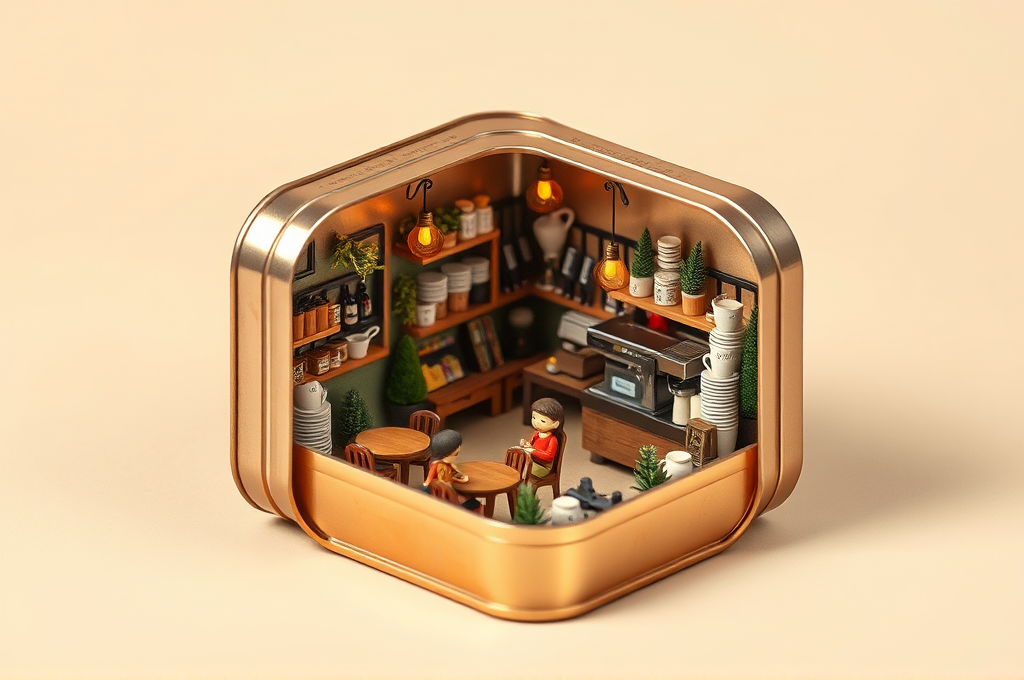
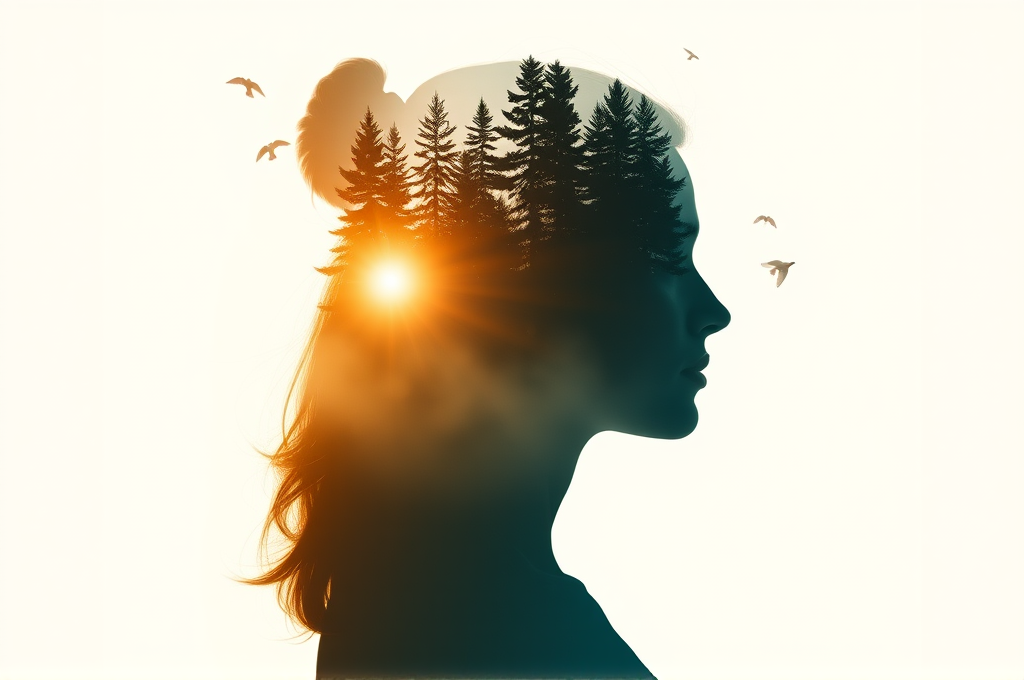
From search to results in seconds — no sign-up required
Find prompts by platform, category, style or tags across our entire library.
See real outputs, settings & results before using any prompt.
Copy the prompt and use it on your favourite AI tool instantly.
Get better results and save your time & AI credits every time.
100% Free Forever
No hidden fees, always free
Real Outputs
Tested prompts with real results
All Platforms
Covers popular AI tools
Community Driven
Submit & share prompts
Always Updated
New prompts every day
New prompts added to the library

Brand designers, packaging studios, and e-commerce founders use this to prototype eye-catching product packaging without a full photoshoot. Marketing teams generate scroll-stopping hero images for beverage, cosmetic, or tech-lifestyle launches. Freelancers pitch clients faster with polished chrome-aesthetic concepts. The result is a premium, text-accurate packaging mockup ready for social ads or moodboards.
Design a premium product packaging mockup rendered in a Y2K chrome-metallic aesthetic, presented on a clean studio background. The hero element is a modern beverage can (or cosmetic bottle) featuring a bold liquid-chrome logo with the exact text 'AURA' spelled clearly in a heavy geometric sans-serif, wrapped in a glossy iridescent finish that reflects soft pink, cyan, and silver highlights. Surround the primary text with secondary tagline text reading 'HYPER FRESH' in a smaller condensed uppercase font, kerned tightly for a futuristic feel. Composition: front-facing product centered using the rule of thirds, floating slightly above a reflective surface with a subtle mirrored shadow. Materials should look like polished liquid metal, brushed aluminum accents, and holographic foil, with crisp specular reflections and smooth gradient ramps from deep blue to warm silver. Lighting is high-key studio lighting with two soft boxes creating clean edge highlights and a gentle rim light to define the metallic curvature. Background is a minimalist gradient of pale lavender to icy blue with faint lens-flare glints. Include tiny UI-style graphic elements: a barcode, a small circular seal reading 'NEW', and a metallic drip motif along the bottom. Emphasize legible, well-spaced typography with accurate letterforms — no distorted or gibberish text. Style keywords: Y2K revival, chrome typography, product photography, iridescent, futuristic branding, clean vector-meets-3D render. Aspect ratio 4:5 for social commerce. Render in ultra-high resolution with sharp focus, photorealistic reflections, and a polished commercial finish suitable for a real product launch.

Brand designers, social media marketers, and packaging creators use this prompt to produce eye-catching playful typography for product launches, kids' brands, food packaging, and app onboarding screens. The result is a warm, tactile, premium clay-style word treatment that instantly feels approachable and modern. It works especially well for Instagram carousels, hero banners, and merchandise mockups. Studios can swap the word and color palette to fit any brand while keeping the trending claymorphism look.
Create a playful, premium claymorphism-style 3D typography design featuring the word 'BLOOM' rendered as soft, hand-molded clay letters. Each letter should appear sculpted from smooth matte plasticine with rounded, chubby edges, subtle fingerprint textures, and gentle surface imperfections that reveal the handmade origin. Use a pastel color palette of soft coral, buttery cream, mint green, and lavender, with each letter in a slightly different hue for a cheerful candy-like feel. Arrange the letters in a bold, centered composition with a shallow depth of field, letting the front letters stay crisp while the background softly blurs. Light the scene with a large, soft key light from the upper left and a gentle fill from the right, producing smooth wraparound shadows, subtle ambient occlusion in the crevices, and delicate soft-edged contact shadows beneath each letter. Add tiny decorative clay elements—rolled beads, small flowers, or a coiled squiggle—nestled around the letters to enhance the tactile handmade charm. The background should be a seamless pastel gradient studio backdrop (soft peach fading to warm white) that keeps focus on the typography. Emphasize a squishy, satisfying, toy-like material response with a matte non-reflective finish and high micro-detail. Style keywords: claymorphism, plasticine typography, soft 3D render, kawaii pastel, tactile clay, studio product photography, premium playful branding. Render in ultra-high resolution with photoreal clay materials, crisp macro detail on the front letters, and a warm inviting mood. Technical params: aspect ratio 4:5, Leonardo Phoenix or Diffusion XL model, PhotoReal enabled, Alchemy on, guidance scale 7, high contrast off, resolution 1024x1280, negative prompt: glossy plastic, harsh shadows, text errors, extra letters, low detail, blurry front subject.

Digital artists, craft brands, and greeting card designers use this prompt to generate ornate paper-quilling-style portraits without hours of manual coiling. Illustrators and print-on-demand sellers get gallery-ready dimensional artwork for wall prints, wedding stationery, and packaging. Content creators use it for eye-catching handcrafted-look social visuals. The result is an intricate, tactile portrait that mimics real quilled paper craftsmanship.
Create a stunning sculptural paper quilling artwork depicting [SUBJECT: a serene woman's face in three-quarter profile]. Render the entire composition from tightly rolled and coiled strips of colored paper, each coil clearly visible with crisp edges, subtle drop shadows, and a handcrafted paper texture. Build the form using loose scrolls, tight spirals, teardrop coils, and open heart shapes that follow the natural contours of the subject. Use a rich, harmonious color palette of coral, teal, mustard yellow, deep plum, and cream, transitioning smoothly across flowing sections of quilled paper. The hair should cascade in swirling spiral coils of varying sizes, giving a sense of movement and rhythm. Emphasize dimensional depth by layering paper strips at different heights, casting soft realistic shadows between coils to create a bas-relief, tactile 3D effect. Place the artwork on a clean, minimal background in soft off-white or pastel gradient so the intricate paperwork remains the hero. Lighting should be soft and directional, like gentle studio light from the upper left, highlighting the raised edges of each paper strip and enhancing the sculptural quality. Overall mood: elegant, delicate, meticulously handcrafted, gallery-worthy. Style references: professional quilling art, papercraft illustration, macro craft photography. Ultra detailed, high resolution, sharp focus on individual paper coils, visible paper grain and thickness. Negative prompt: flat, painted, digital brush strokes, blurry, low detail, plastic, melted, distorted anatomy, extra fingers, watermark, text, messy overlapping mess, cluttered background. Aspect ratio 3:4 portrait orientation for framed art display.

Digital artists, illustrators, and print-on-demand sellers use this prompt to create striking decorative portraits, poster art, and wall prints. Interior designers and greeting card makers generate ornate stained glass motifs for spiritual, wedding, and memorial products. The result is a richly colored, luminous composition that mimics real cathedral glasswork with crisp lead lines and glowing jewel tones. It works equally well for portraits, animals, botanicals, and abstract mandala designs.
A luminous stained glass portrait of a serene woman with flowing hair, rendered as an intricate cathedral window composition. Every element is constructed from hand-cut colored glass panels separated by bold black lead came lines that trace every contour with confident, flowing linework. The glass segments glow with jewel tones — deep sapphire blues, ruby reds, emerald greens, amber golds, and amethyst purples — each panel showing subtle textural variation, seedy bubbles, and hand-blown imperfections that catch and refract light. Strong backlighting radiates through the translucent glass, making colors saturate and bloom, casting soft colored light spill across the composition. The design features geometric borders, radiating art nouveau floral motifs, and ornamental filigree framing the central figure. Highlights gleam on the polished glass surfaces while lead lines remain matte and dark, creating crisp separation between color fields. Background includes abstract mosaic patterns of smaller glass tiles arranged in concentric arcs. The overall mood is sacred, ornate, and radiant, evoking Tiffany and gothic cathedral craftsmanship fused with modern illustration clarity. Symmetrical balanced composition, decorative and reverent atmosphere, high detail throughout. Rich color harmony, painterly light transmission, museum-quality artisan craftsmanship. Style: stained glass art, cathedral window, art nouveau, Tiffany glass, mosaic illustration. Technical parameters: Model: SDXL 1.0 or Juggernaut XL Steps: 35 CFG scale: 7.5 Sampler: DPM++ 2M Karras Resolution: 832x1216 (portrait) Seed: -1 (randomize) Negative prompt: blurry, low contrast, flat lighting, photorealistic skin, washed out colors, muddy tones, broken glass, distorted lead lines, extra fingers, watermark, text, jpeg artifacts, dull, grayscale. Tip: increase CFG to 8.5 for bolder lead lines, or add 'volumetric backlight, god rays' to intensify the glow effect.

Fine-art photographers, gallery illustrators, and album-cover designers use this prompt to produce museum-quality surreal portraits with an antique alternative-photography feel. Editorial designers apply it for magazine features and poetry book covers that need an ethereal, contemplative tone. Print-on-demand artists sell these as limited-edition wall art due to their timeless monochrome elegance. The result is a striking, emotionally resonant blue-toned portrait that reads as both vintage artifact and modern fine art.
Create a hauntingly beautiful cyanotype-inspired surreal portrait rendered in the classic Prussian blue and white photographic printing tradition. Depict a serene human face in three-quarter profile, eyes half-closed in quiet contemplation, emerging from a wash of deep indigo tones. Overlay delicate botanical silhouettes—ferns, dried flowers, and skeletal leaves—pressed directly onto the subject's skin as if part of an antique sun-print exposure. The image should feel like a photogram: high-contrast white highlights against rich cyan-blue shadows, with soft chemical bleeding at the edges and subtle paper-grain texture throughout. Incorporate surreal elements such as constellations mapped across the cheekbones, translucent moth wings blending into the hair, and faint handwritten botanical annotations in fading ink. Lighting should mimic direct sunlight exposure, creating luminous rim highlights and dramatic tonal separation. Add authentic imperfections: uneven coating brush strokes, slight vignetting, foxing spots, and the delicate fibrous texture of watercolor paper. The overall mood is meditative, dreamlike, and timeless—part scientific specimen, part romantic memory. Balance negative space with intricate detail so the eye rests on the subject before discovering hidden layers. Style keywords: cyanotype, sun-print, photogram, alternative photography, monochrome blue, surreal botanical, vintage scientific illustration, ethereal. Technical parameters: Model — Leonardo Phoenix or Leonardo Diffusion XL; Aspect ratio 3:4 (portrait); Guidance scale 7; Steps 45; Contrast: High; Alchemy: ON; PhotoReal: OFF; Prompt Magic v3 with Strength Medium. Negative prompt: color saturation, warm tones, red, green, orange, low contrast, blurry, oversharpened, cartoon, text watermark, extra limbs, distorted anatomy. Seed: randomize for variation, lock for consistent series.
Tips, guides, and platform breakdowns — written by people who actually use these tools.

New to AI prompts? These tips will help you get better answers fast. I share what I learn as a beginner, in simple words.

Claude is a strong AI tool for long writing and research work. I share the small tricks I learned to get better results. These tips save time and give cleaner answers.

Many people struggle to keep one voice when using AI. I share simple tricks to make your AI sound the same every time. This helps your writing feel like one person, not many.
Cinematic Portrait Photography
Modern SaaS Landing Page
Handpicked high-quality prompts ready to use
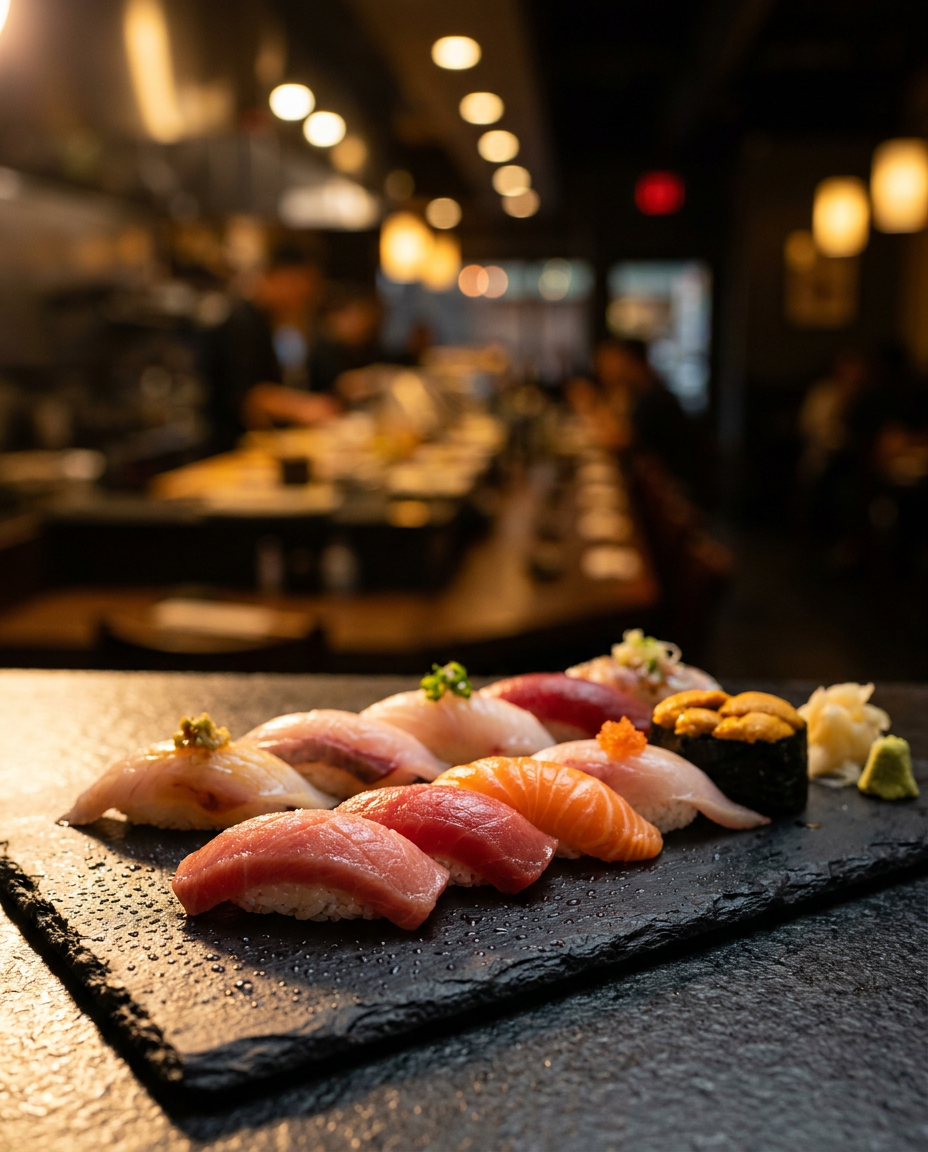
Generate professional food photography for restaurant menus, culinary brands, food blogs, and social media content.
Premium omakase sushi platter artfully arranged on dark grey slate, otoro tuna, uni, wagyu nigiri, dramatic side window lighting, selective focus with shallow depth of field, micro water droplets on fish, dark moody background, culinary magazine editorial, 4K

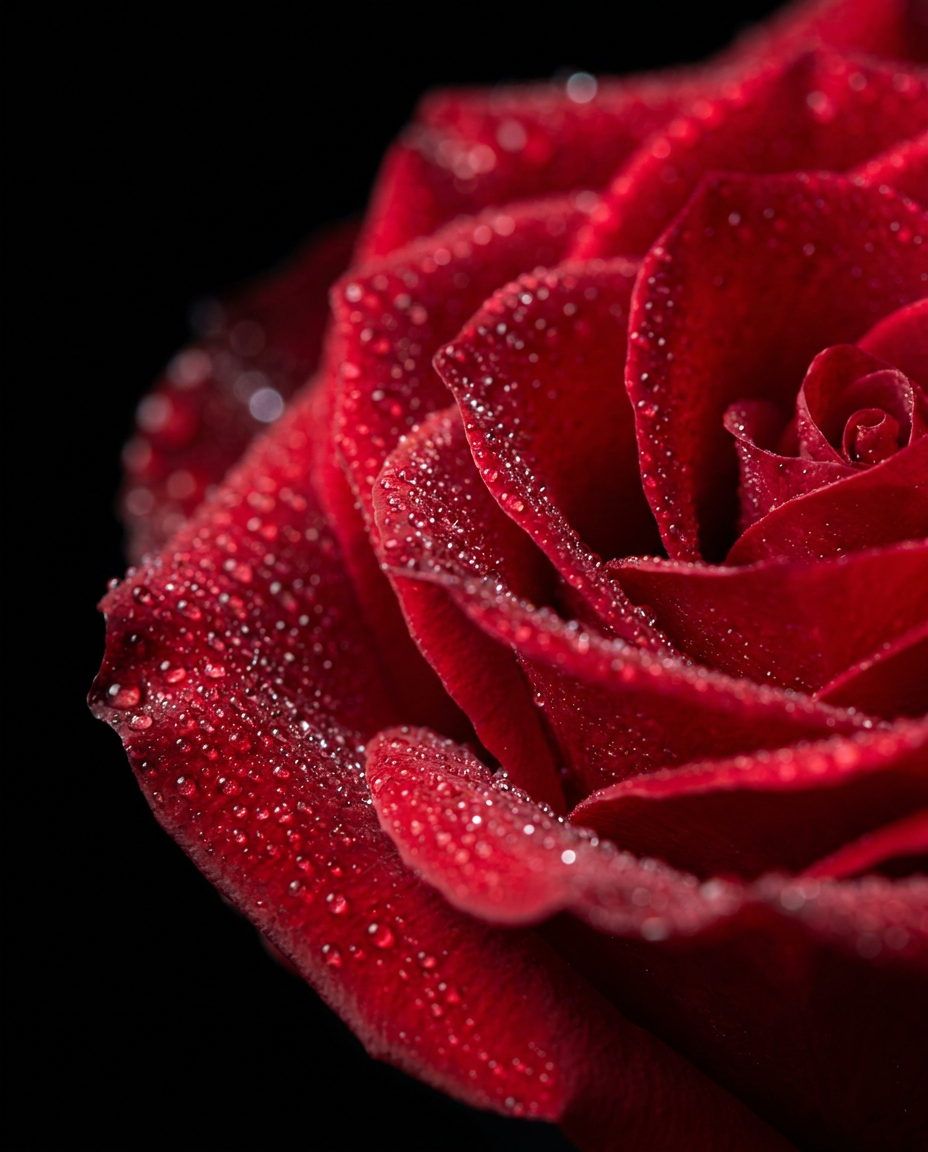
Generate a stunning macro flower photograph — ideal for nature photography portfolios, stock imagery, greeting cards, and fine art prints.
Extreme macro photography of a crimson red rose, fresh water droplets on individual petals, pure black background, razor-sharp focus on center with creamy bokeh on outer petals, dramatic side lighting, vibrant saturated colors, Hasselblad quality

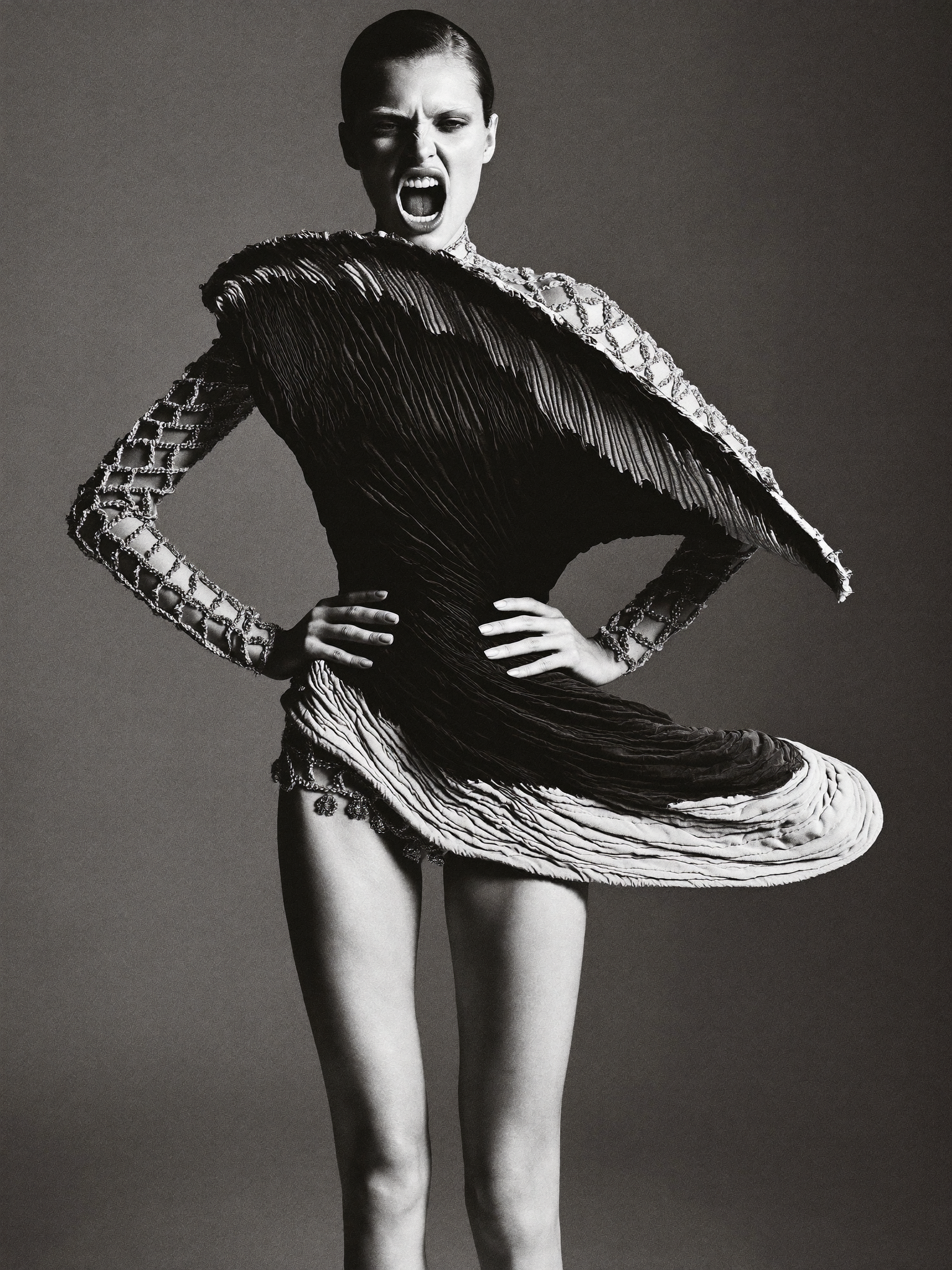
Create a high-fashion editorial portrait — perfect for fashion brands, model portfolios, editorial campaigns, and artistic photography projects.
High fashion editorial portrait, model in avant-garde black structural couture dress, severe center-part slicked hair, fierce direct gaze, dramatic split studio lighting with hard shadow, black and white, Vogue editorial style, shot by Peter Lindbergh, 4K

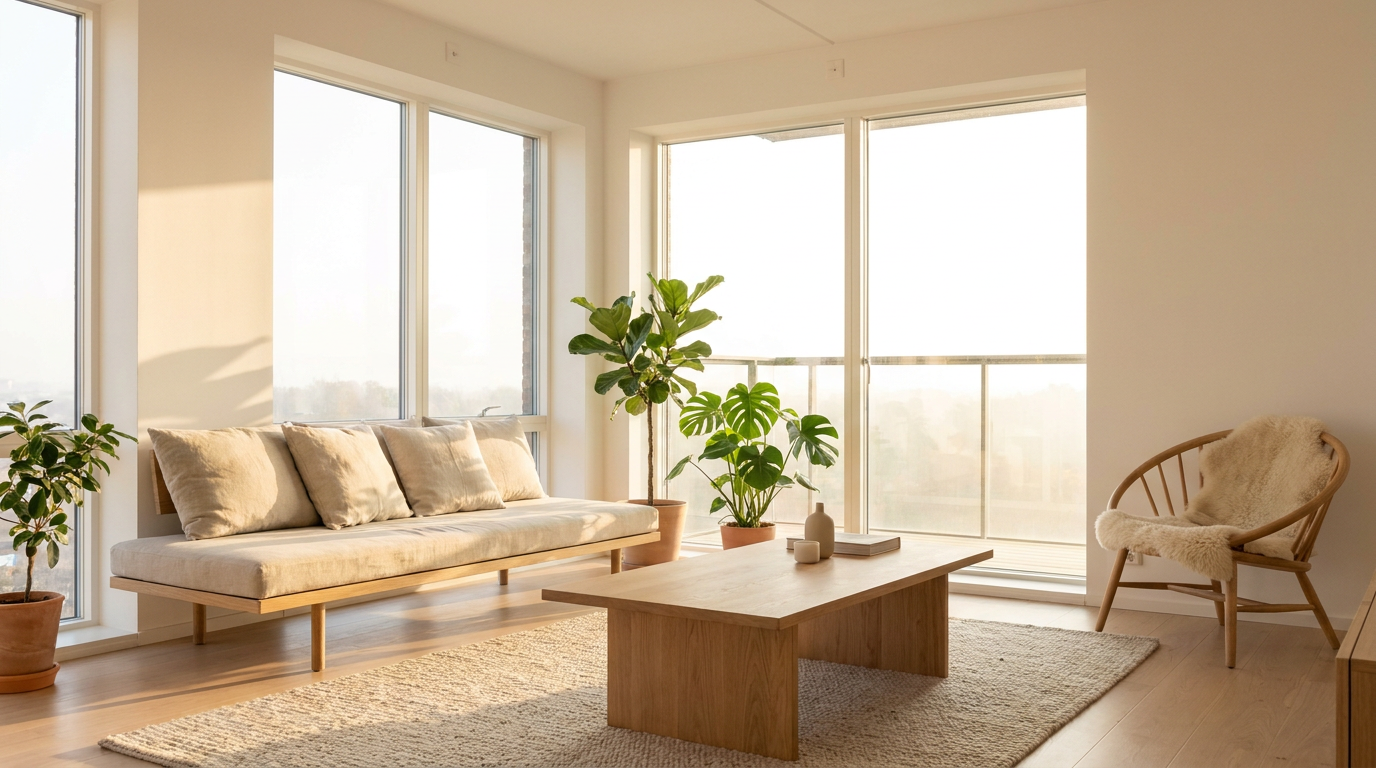
Generate a clean Scandinavian interior design image — ideal for real estate listings, interior design portfolios, Airbnb hosts, and mood boards.
Minimalist Scandinavian living room, white and warm oak wood tones, linen sofa with textured throw pillows, low wooden coffee table with single book and candle, natural light from floor-to-ceiling windows, potted fiddle leaf fig, clean lines, architectural photography
Find prompts for your favourite tools
Random picks from across the library

App developers, startup founders, and UI/UX designers use this to generate cohesive, premium-looking icon sets without hiring a 3D artist. The result is a polished claymorphic icon ready for app stores, onboarding screens, and design systems. Brand and social media designers also use it for eye-catching feature graphics. This beats a simple prompt because it locks in lighting, perspective, palette, and composition so every icon in a set looks consistent and professionally rendered.
Create a single hyper-minimalist 3D isometric icon rendered in a soft clay (claymorphism) style, centered on a clean solid background. Subject: a [REPLACE WITH YOUR OBJECT — e.g. a tiny shopping bag, a cloud-and-lock security symbol, a coffee cup, a wallet, a rocket]. Style: smooth matte clay material with gentle rounded edges, subtle surface imperfections, and a tactile handcrafted plasticine finish. Render it in true isometric perspective at a 30-degree angle, perfectly balanced and symmetrical within the frame. Lighting: soft diffused studio lighting from the upper left, producing gentle ambient occlusion in the crevices and a soft drop shadow beneath the object for a floating effect. Add a faint rim light to separate the icon from the background. Color palette: dreamy pastel gradients — blush pink, lavender, mint green, and powder blue — with a complementary muted background tone that makes the icon pop. Composition: object occupies roughly 60 percent of the frame, generous negative space around it, perfectly centered for use as an app icon or UI element. Mood: friendly, modern, premium, approachable, and clean. Camera angle: top-down isometric three-quarter view. Technical details: ultra high resolution, crisp clean edges, no text, no watermark, smooth gradient shading, soft global illumination, octane-render quality, product-photography clarity. Square 1:1 aspect ratio optimized for app stores and design systems. Keep the design extremely simple, avoid clutter, ensure a single clear focal subject, and maintain consistent lighting so the icon can be part of a cohesive icon set. Style references: claymorphism, neumorphism, soft 3D UI, Dribbble-trending icon packs.

Brand designers, e-commerce sellers, and social media marketers use this prompt to generate polished product hero shots without expensive photo shoots or 3D software. It produces scroll-stopping isometric mockups ideal for product launches, Instagram ads, and pitch decks. Startups love it for building a cohesive premium visual identity fast. Agencies use it to present concept directions to clients before physical prototyping.
Create a hyper-detailed isometric 3D product mockup rendered as a premium miniature diorama. Center a single hero product (customizable: a cosmetic bottle, tech gadget, coffee cup, or branded packaging box) on a soft rounded pedestal platform. Render in a clean 45-degree isometric camera angle with true orthographic perspective, no distortion, perfectly balanced composition. Use a soft studio-lit environment with gentle global illumination, subtle ambient occlusion in the crevices, and delicate contact shadows grounding every element. Surface finishes should feel tactile and premium: matte plastic, brushed metal accents, frosted glass, and satin cardboard with visible fine paper grain and crisp foil-stamped logo details. Surround the product with small supporting props arranged neatly — tiny floating design elements, a rounded confetti of geometric shapes, minimal decorative plants, and micro packaging accessories that reinforce the brand story. Apply a modern pastel-plus-accent color palette: soft cream, muted sage, warm peach, with one saturated accent color pulled from the product for visual pop. Materials must show realistic subsurface scattering on soft objects and sharp specular highlights on glossy surfaces. Keep negative space clean and airy with a smooth gradient backdrop that fades from light to slightly deeper tone at the base. Emphasize crisp edges, clay-render smoothness blended with photoreal texture, and a squeaky-clean commercial aesthetic. Style: blend of C4D Octane render, product photography, and collectible toy diorama. Ultra sharp focus, 8K detail, cinematic soft rim lighting, professional e-commerce quality. Technical params: aspect ratio 1:1, Leonardo Phoenix or Diffusion XL model, guidance scale 7, PhotoReal or 3D Render style preset, high contrast, enhanced detail on. Negative prompt: blurry, low-poly, distorted perspective, text errors, cluttered, oversaturated, harsh shadows, watermark.

Designers, engineers, and content creators use this prompt to generate patent-style blueprint art for posters, product marketing, tech blogs, and educational materials. Ideogram's strong text rendering makes it ideal for legible annotations, part labels, and title blocks that other models struggle with. The result is a professional, print-ready schematic that works as wall art, packaging graphics, or explainer visuals. Perfect for makers who want a nostalgic drafting-table look with modern polish.
Create a highly detailed technical blueprint schematic illustration of [SUBJECT — e.g., a vintage espresso machine], rendered as an authentic engineering drawing on a deep cyan-blue drafting background. Depict the object in crisp white and pale-blue line work with precise vector-style contours, showing an exploded-view breakdown where individual components float apart to reveal internal mechanisms. Include multiple orthographic projections: a front elevation, a side profile, and a top-down plan view arranged in a clean grid layout. Add fine measurement lines, dimension arrows, callout leader lines, and circled reference numbers pointing to labeled parts. Incorporate handwritten-style engineering annotations, technical typography, and small legends in the margins reading realistic component names, tolerances, and part codes. Render a title block in the bottom-right corner with fields for 'DRAWN BY', 'SCALE 1:2', 'SHEET 01', and a revision table. Use faint grid graph-paper texture across the entire canvas for authenticity. Maintain a monochromatic blueprint palette — cyan, navy, and white — with subtle aged-paper vignetting at the edges for a printed drafting-table feel. Keep line weights varied: bold outlines for silhouettes, thin lines for hidden edges (dashed), and hairlines for hatching and cross-sections. Emphasize symmetry, mechanical precision, and drafting accuracy so the piece reads as a genuine patent illustration. Balance negative space so annotations remain legible and uncluttered. Style: technical illustration, patent drawing, isometric exploded diagram, architectural blueprint aesthetic. Text should render cleanly and sharply. Aspect ratio 4:3, high resolution, sharp vector-like clarity, professional drafting quality. --style raw, magic prompt off, rendering high quality.

Short-form content creators, ASMR channels, and social media managers use this to produce scroll-stopping satisfying loops for TikTok, Reels, and YouTube Shorts. Product marketers adapt it to showcase soaps, foods, or cosmetics with a tactile, premium feel. The result is a clean, hypnotic vertical clip engineered for high watch-time and looping replays. It requires no filming setup, props, or messy cleanup.

Generate an award-winning close-up wildlife portrait — perfect for nature photography showcases, wall art, magazine covers, and demonstrating the best ultra-realistic AI image prompts.
A breathtaking extreme close-up portrait of a majestic male lion photographed at golden hour, his powerful face and flowing mane filling most of the frame, captured with stunning clarity, depth, and emotional intensity. Every detail is rendered razor sharp: individual strands of his thick, wind-tousled golden mane catch the warm low sun and glow like embers along the edges, fine pale whiskers fan out from his muzzle, the wet glistening texture of his nose reflects the light, and his deep amber eyes are filled with calm, regal awareness, each holding a soft natural catchlight. Warm directional golden-hour sunlight rakes across his face from the side, sculpting his brow, cheekbones, and muzzle with rich golden highlights and soft, gentle shadows that give the portrait three-dimensional depth. Behind him, the African savanna melts into a creamy, warm-toned bokeh of dry golden grass and the soft silhouettes of distant acacia trees, keeping all attention on his face. Tiny particles of dust, pollen, and floating seeds drift through the backlit air, glowing like sparks in the late sun and adding atmosphere and realism. The mood is powerful, intimate, and majestic, conveying the quiet strength and nobility of the animal. The color palette is warm and entirely natural: honey gold, rich amber, deep earthy browns, and soft sunset orange. Technical specifications: shot on a professional full-frame camera with a 400mm f/2.8 telephoto lens, an extremely shallow depth of field that renders the eyes tack-sharp while the background dissolves into smooth blur, natural fur and skin micro-detail, balanced high-dynamic-range exposure, ultra-detailed, 8K resolution, in the style of National Geographic award-winning wildlife photography, cinematic, and fully photorealistic. This is the kind of flagship, gallery-quality image that demonstrates exactly what the best, most carefully crafted AI image prompts can achieve, making it ideal as wall art, a magazine cover, a nature showcase, or a hero example of premium photorealistic generation.

Brand designers, indie musicians, and streetwear founders use this to spin up eye-catching chrome logos and cover art in minutes without hiring a 3D artist. Ideogram's superior text engine keeps brand names spelled correctly and kerned cleanly, which most image models fail at. The result is a polished, presentation-ready logo lockup ideal for social avatars, album covers, merch, and pitch decks. Swap the brand name, tagline, and gradient colors to instantly generate on-brand variations.
Design a bold Y2K-inspired chrome logo lockup with flawless, legible typography rendered in liquid metal. Center the wordmark "[YOUR BRAND]" in a heavy, rounded sans-serif with slightly stretched glyphs, giving it an early-2000s tech confidence. Render the letters as polished liquid chrome with mirror-finish reflections, subtle rainbow chromatic aberration along the edges, and soft anisotropic highlights that suggest brushed metal catching studio light. Add a beveled inner shine and a crisp specular hotspot on the top-left of each letter for a tactile, three-dimensional feel. Beneath the wordmark, place a smaller tagline "[YOUR TAGLINE]" in a clean condensed uppercase, tinted holographic silver so it reads clearly without competing with the main mark. Set the composition against a vaporwave gradient background flowing from electric magenta into cyan and deep indigo, with faint scan-line texture and a subtle grid horizon fading into the distance. Introduce floating chrome accent shapes — a small orbiting sphere, a swoosh, and a starburst spark — positioned to balance negative space without cluttering the logo. Ensure high contrast between the reflective type and background so the branding stays crisp at small sizes. Lighting should be studio soft-box with a strong rim light to define the metallic form. Keep edges razor-sharp, avoid noise, and maintain perfect spelling and even kerning. Deliver a centered, symmetrical, presentation-ready logo suitable for tech startups, music covers, streetwear tags, and app icons. Style: retro-futuristic, glossy, premium, nostalgic yet modern. Technical params: --ar 1:1, resolution 2048x2048, rendering mode QUALITY, magic prompt OFF, style type DESIGN, color palette VIBRANT, seed 88421 for reproducibility.

Small business owners, indie brand founders, and packaging designers use this prompt to generate professional vintage label concepts without hiring an illustrator. It's ideal for craft coffee, honey, spirits, cosmetics, and boutique food products needing a heritage look. Marketers and Etsy sellers get print-ready label mockups they can refine for real packaging. The result is a polished, retro-branded label with accurate typography and ornate detailing ready for client presentations.
Design a premium vintage-style product label for a craft brand, rendered as a flat front-facing packaging mockup. Depict an ornate rectangular label with rounded corners for [PRODUCT: artisan coffee / botanical honey / small-batch whiskey / organic soap]. Center a bold heritage brand name in an elegant serif or Art Nouveau typeface reading "[BRAND NAME]", with a smaller tagline beneath in condensed vintage lettering: "[TAGLINE]". Surround the composition with intricate filigree borders, engraved line-art flourishes, and decorative corner scrollwork reminiscent of 19th-century apothecary and general-store packaging. Include a central illustrated emblem — a hand-engraved crest, coffee bean, laurel wreath, or vintage botanical motif — drawn in fine cross-hatched linework. Add supporting label details such as "EST. 1892", "PREMIUM QUALITY", net weight, and a banner ribbon carrying an accent phrase. Use a muted heritage color palette of cream, deep forest green, oxblood red, aged gold, and charcoal ink, with a subtle paper-grain and slight distressed texture to evoke authenticity. Ensure the typography is crisp, perfectly legible, and hierarchically balanced — Ideogram excels at accurate lettering, so spell all words precisely as written. Lighting should be even and flat for a clean mockup, with soft shadows grounding the label. Style: vintage packaging design, letterpress aesthetic, engraved illustration, retro branding, high detail. Technical params: --ar 4:5, high contrast, sharp focus, 4K resolution, flat lay presentation, no photographic clutter, magazine-quality print finish. Rendering style set to 'Design', magic prompt off for text accuracy, color palette locked to warm heritage tones.

Graphic designers, art directors, and brand studios use this prompt to generate striking poster concepts for exhibitions, music events, editorial spreads, and design portfolios. It delivers a bold, gallery-ready brutalist aesthetic that instantly communicates a modern, confident visual identity. Marketers can adapt it for launch announcements and social campaigns that need to stand out. The result is a versatile, print-quality typographic poster that feels both raw and refined.
Design a bold brutalist typography poster that fuses raw architectural energy with experimental type composition. Center the layout around massive oversized sans-serif lettering rendered in a heavy grotesque typeface, letters cropped and bleeding off the edges of the frame for dramatic tension. Set the type against a background of raw exposed concrete, showing subtle surface imperfections, form-tie holes, wood-grain board-marks, and faint water staining for authentic material texture. Use a strict grid-based layout with intentional asymmetry, harsh alignment, and generous negative space that lets the type breathe while feeling monumental. Apply a restrained monochrome palette of cool concrete greys, off-white, and deep charcoal, punctuated by a single high-impact accent color such as safety orange or cadmium red for a functional signage feel. Layer secondary typographic elements: small mono-spaced captions, rotated vertical text, ruled dividing lines, registration marks, and numeric annotations to evoke a technical, architectural-document aesthetic. Incorporate subtle print artifacts — slight ink misregistration, paper grain, and matte finish — for a tactile editorial quality. Lighting should be flat and even like a scanned print, keeping the concrete texture crisp and legible. The overall mood is austere, confident, and design-forward, referencing Swiss International Style and Soviet modernist signage reinterpreted through contemporary graphic design. Ensure the composition works as both a wall poster and a scroll-stopping social graphic. --ar 2:3 --style raw --stylize 250 --v 6.1 --quality 2. Adjust the accent color, headline word, and grid density to fit your brand or event. Keep type as the dominant hero element and let the concrete backdrop reinforce weight and permanence.